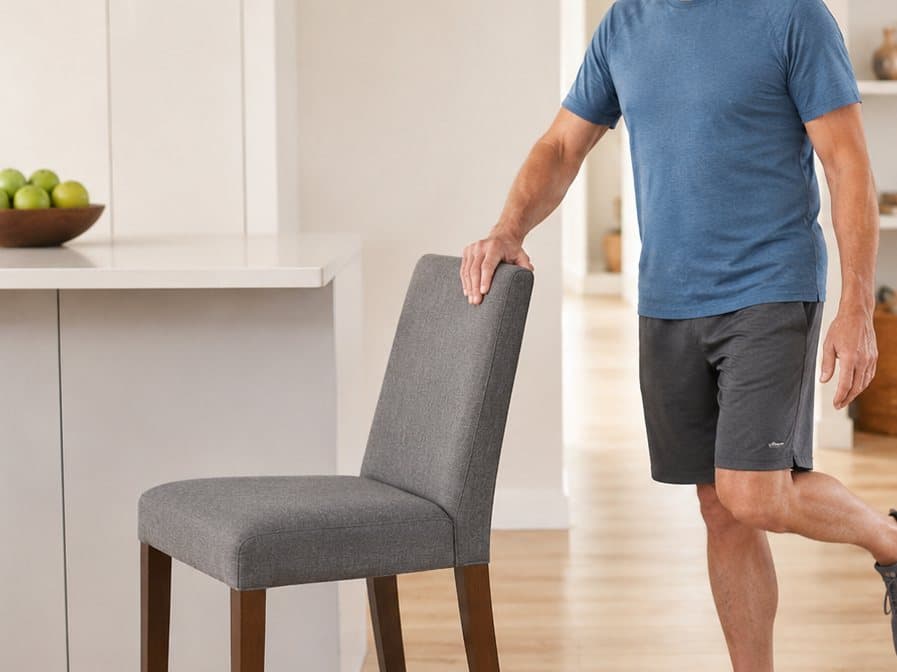
Standing, holding on2 min
Counter Balance Hold
Confidence on your feet in the dark, or on a wet floor
How to do itFree US shipping · 30-day returns · Call (361) 602-6591
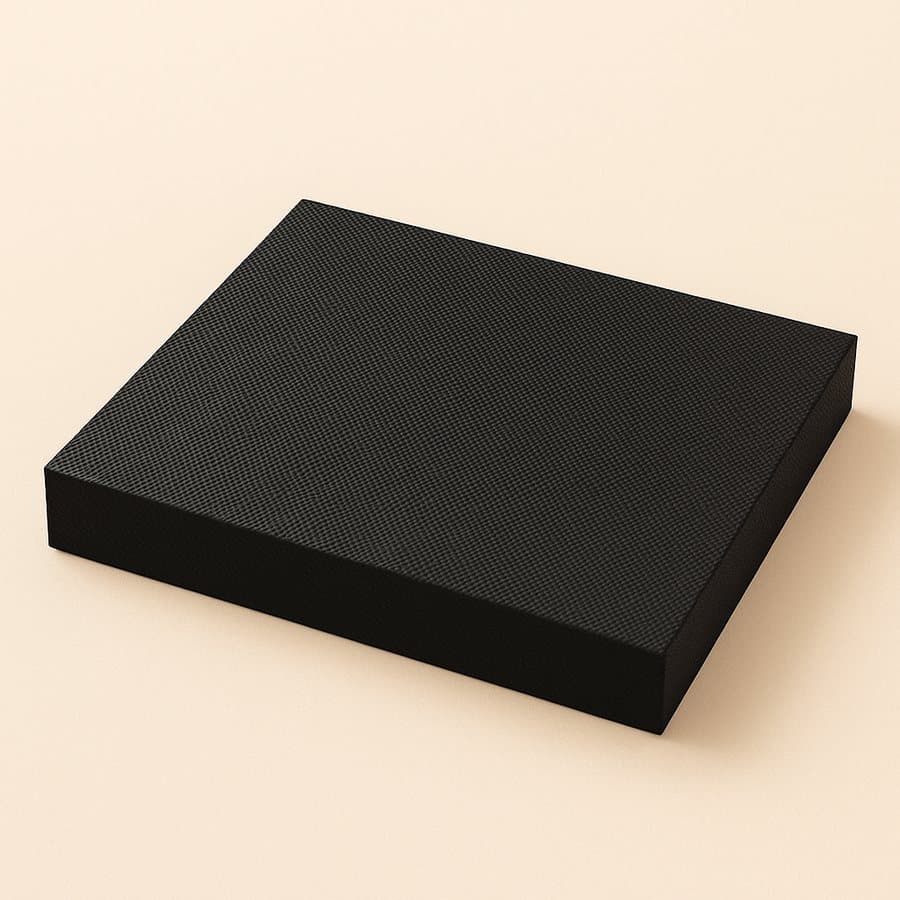
About 15 by 12 inches and a little over two inches thick, in closed-cell foam that compresses under a heel without bottoming out. Start with a hand on the worktop and two feet on the pad, and take the hand away when you stop thinking about it.
A firm foam pad is the first balance surface: unstable enough to work, flat enough to step off.
Currently out of stock
Check with your doctor before starting any exercise program — particularly after surgery, a recent fall, or with a heart or blood-pressure condition. We sell equipment; we are not a substitute for someone who knows your history.
What to do with it
Written out step by step, with the mistake to watch for and how to make it easier on a bad day.
Confidence on your feet in the dark, or on a wet floor
How to do it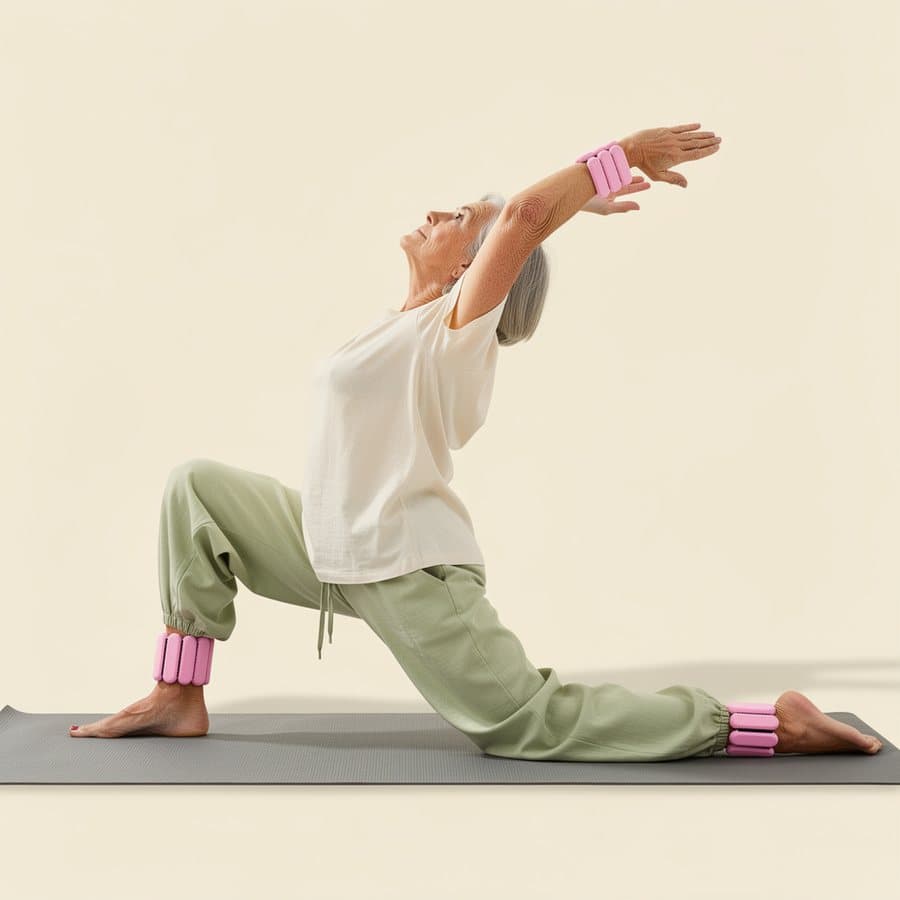
Wrap them on and go about your morning. The weight is spread around the ankle or wrist rather than hanging off it, and the silicone is soft enough to wear over a sock. Adjustable, so you are not stuck with one setting.
Why this one: Straps on at the ankle so ordinary walking becomes the exercise. There is no technique to learn.
FSA/HSA with a doctor's note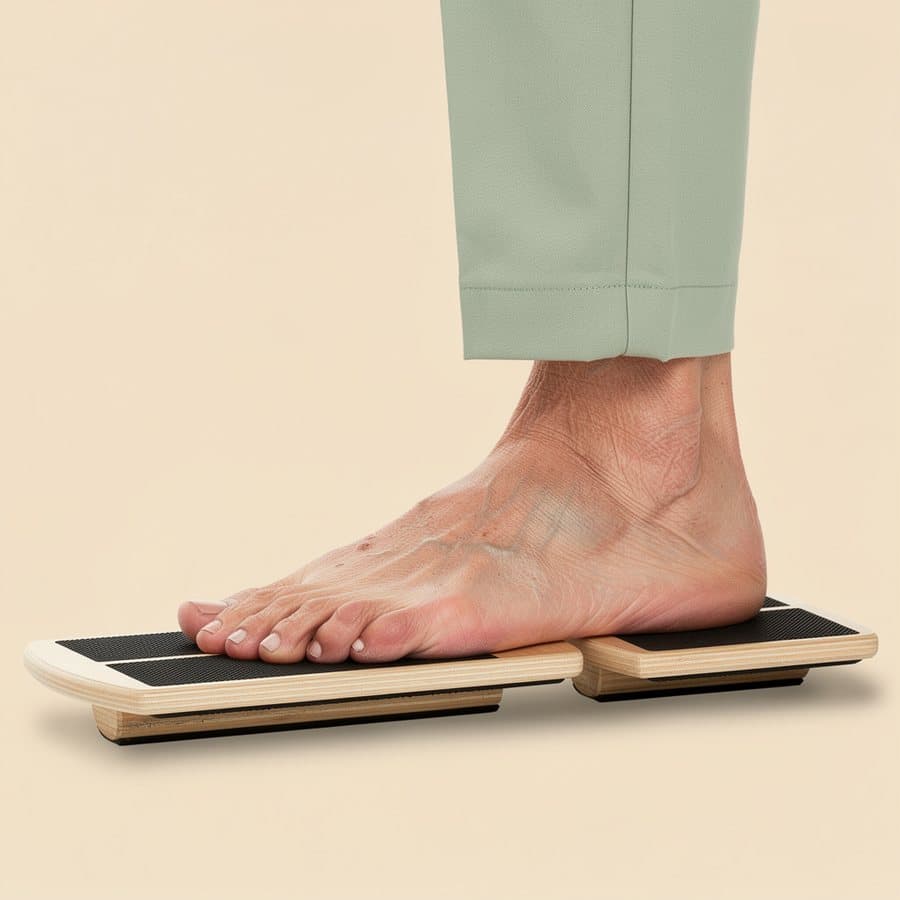
A tilting board for the ankle that has never been the same since. Sit down and work it with one foot, or stand on it holding the worktop when you are ready. Wooden base, non-slip top.
Why this one: Ankles are where balance is actually lost, and almost nothing on the market trains them seated.
FSA/HSA with a doctor's note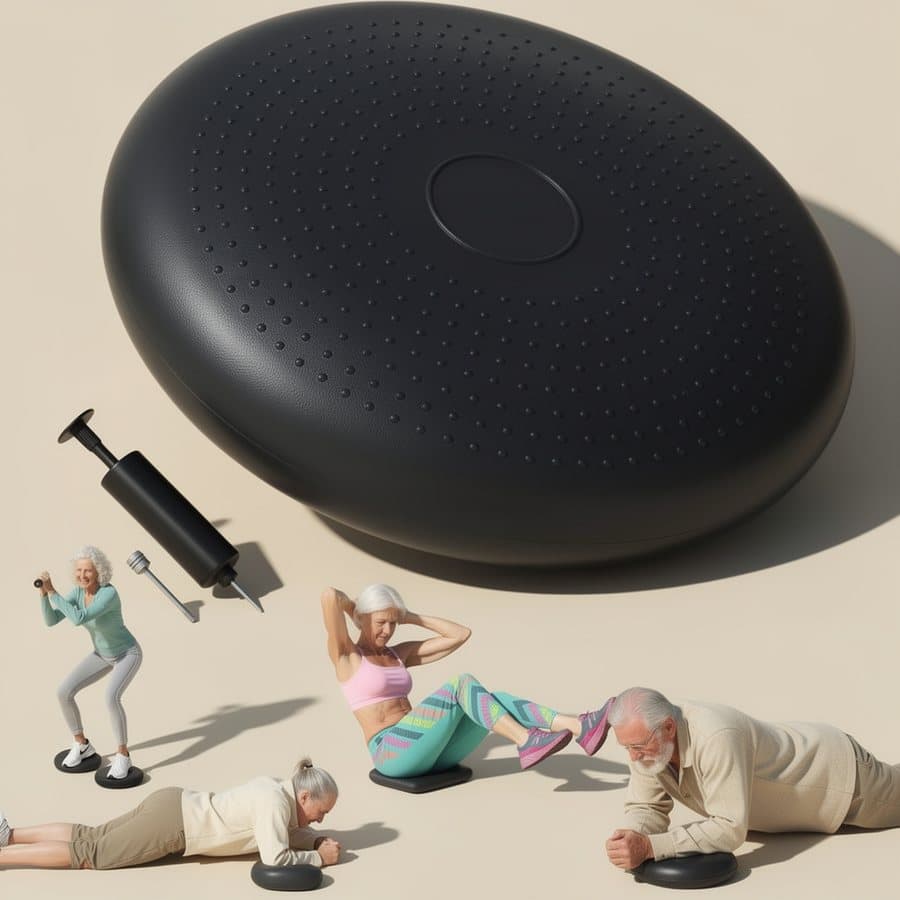
An inflatable cushion that never quite settles. Stand on it to make balance harder, or sit on it and let your middle make small corrections all day. The pump is in the box, so you choose how firm it is.
Why this one: Sit on it and posture trains itself; stand on it later. One object, two stages of balance.
FSA/HSA with a doctor's note